Veteran Owned, Family Operated
SERVING EAST TENNESSEE SINCE 1978  BASED ON 76 REVIEWS
BASED ON 76 REVIEWS Veteran Owned, Family Operated BASED ON 76 REVIEWS"*" indicates required fields

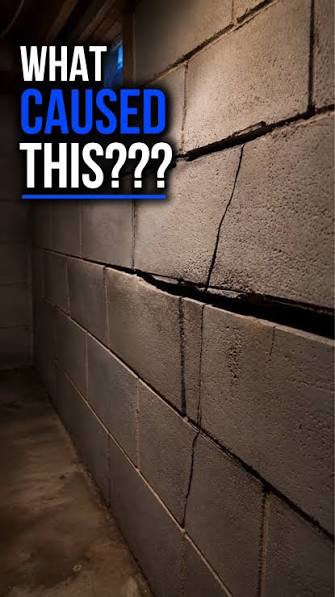
A wall doesn't have to be ready to collapse before it needs attention.
Most homeowners first notice a horizontal crack, a slight inward curve, or basement walls that simply don't look as straight as they once did.
In many homes, the movement is slow enough that it goes unnoticed for years. Until the crack grows, doors begin sticking, or water starts finding its way inside.
The earlier the problem is identified, the more repair options you may have.
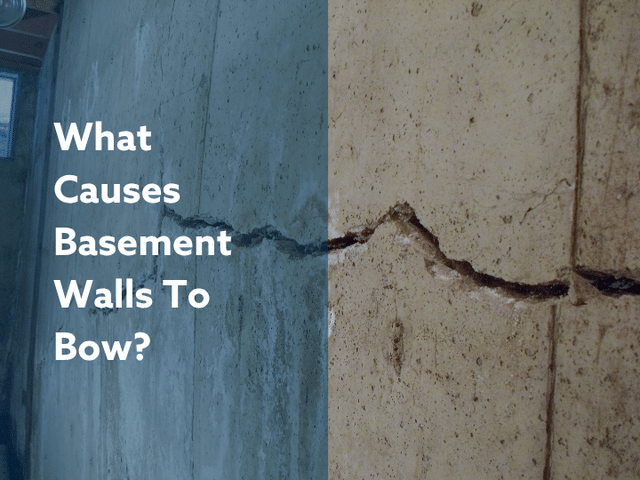
East Tennessee's clay soils absorb water during wet weather and expand against your foundation walls.
As the soil dries, it shrinks again.
This constant cycle creates tremendous pressure against basement walls year after year.
Eventually that pressure can cause concrete block walls to crack, lean inward, or begin bowing.
Poor drainage, heavy rains, saturated soil, and backfilled construction areas can all increase that pressure.
Not every bowing wall requires the same repair.
That's why Ameri-Dry begins with a thorough inspection. We determine:
Our Inspection
Our recommendations are based on the condition of your foundation, not a one-size-fits-all sales presentation.
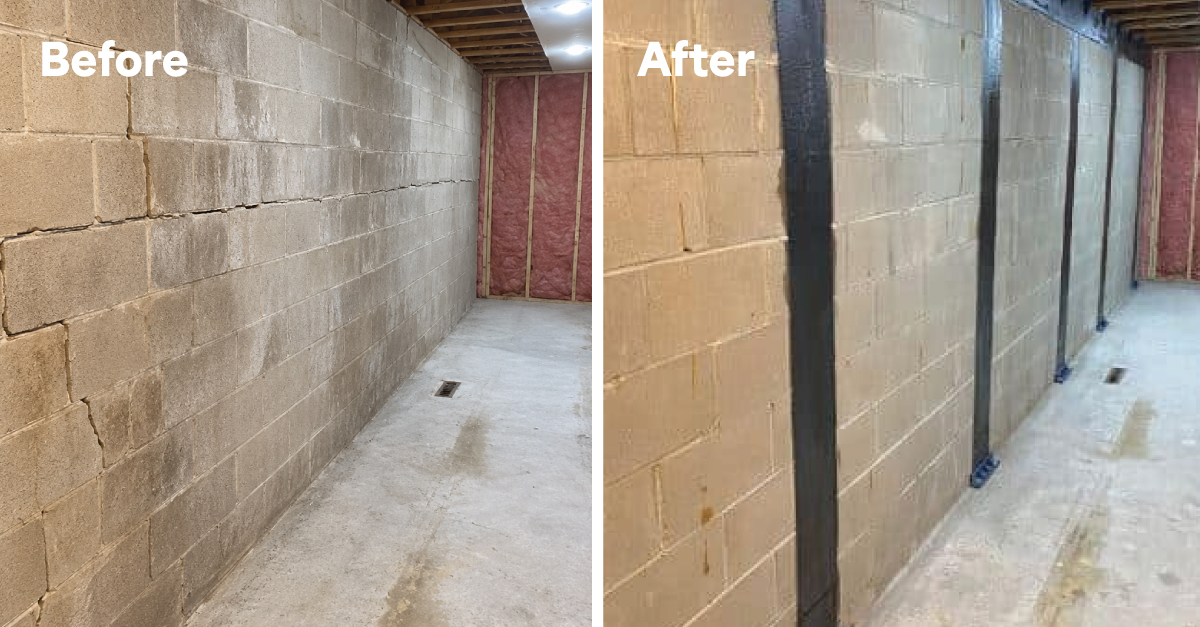
Every home is different.
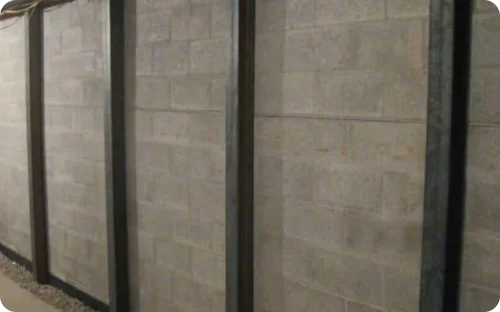
Depending on the condition of your wall, Ameri-Dry may recommend one or more permanent stabilization methods designed to stop further movement and protect your home's structural integrity.
We'll explain what we found, why it's happening, and the repair we recommend, so you can make an informed decision.